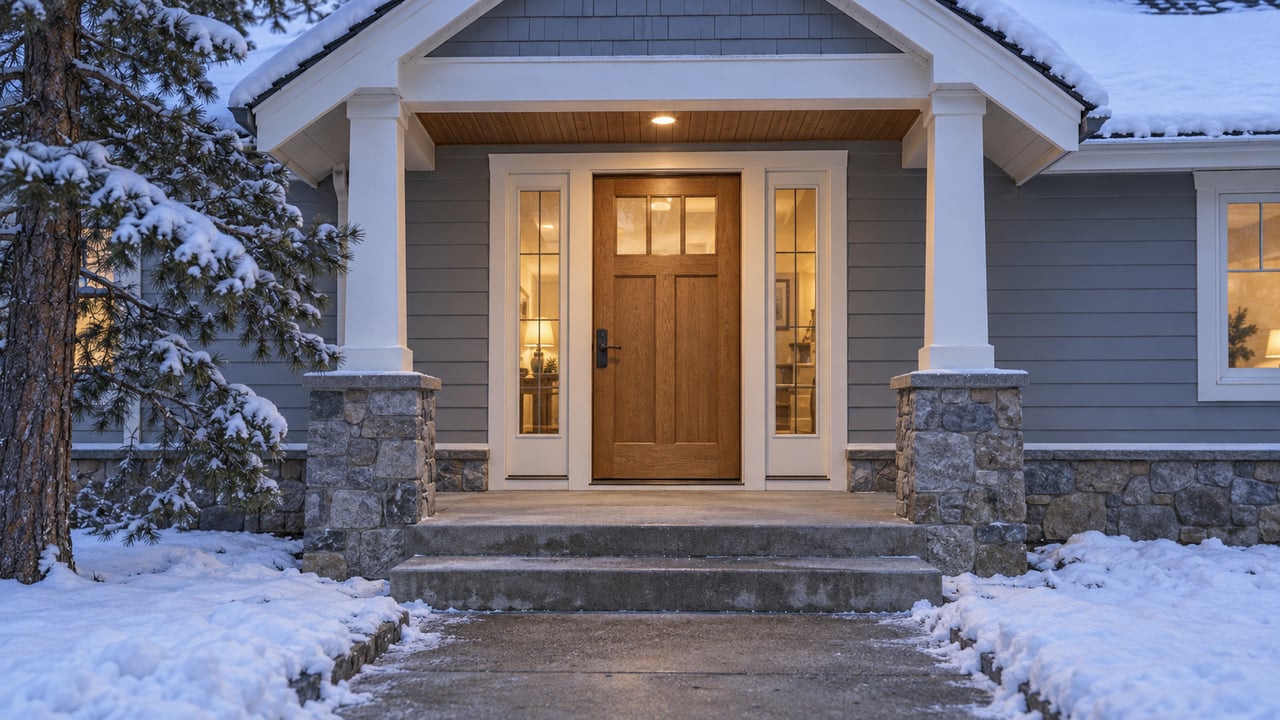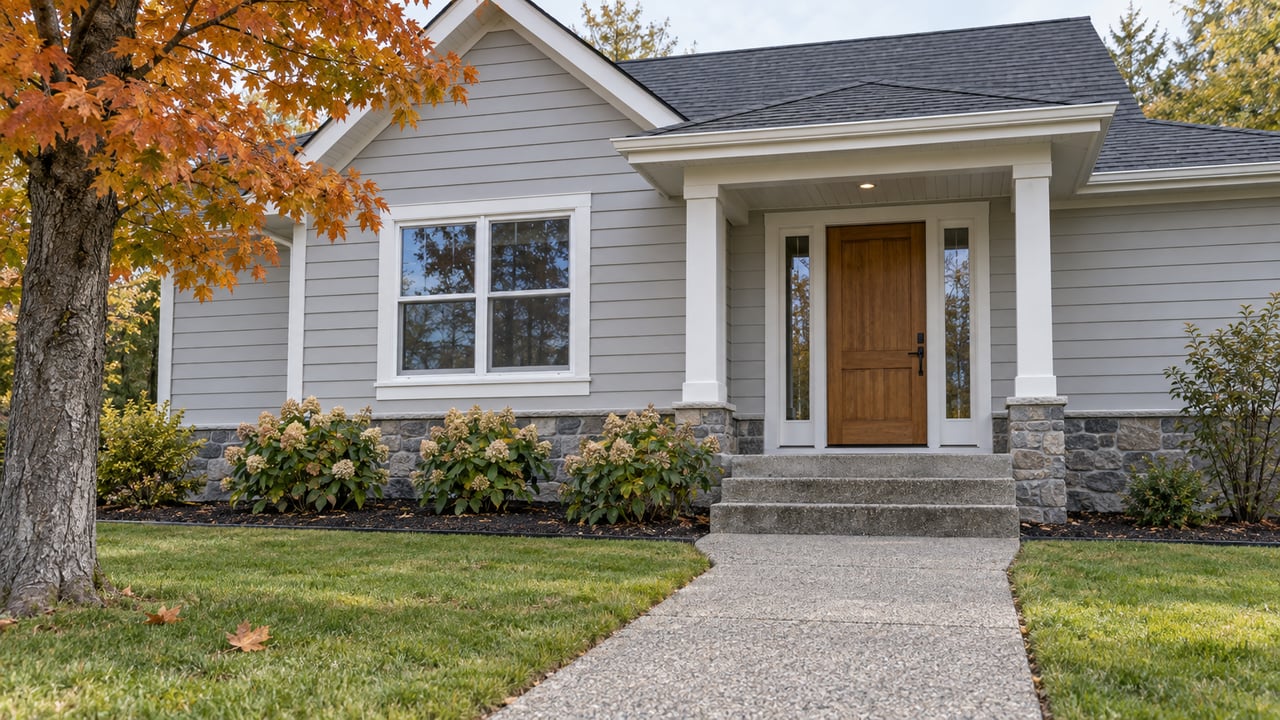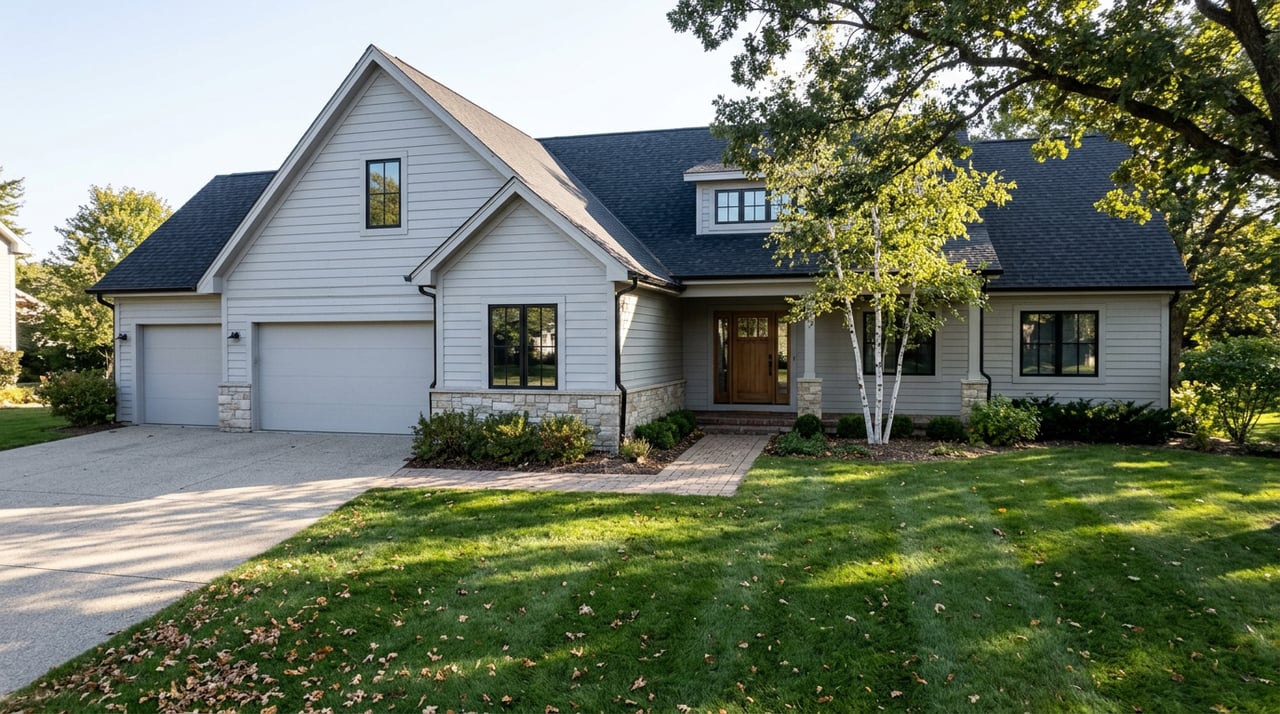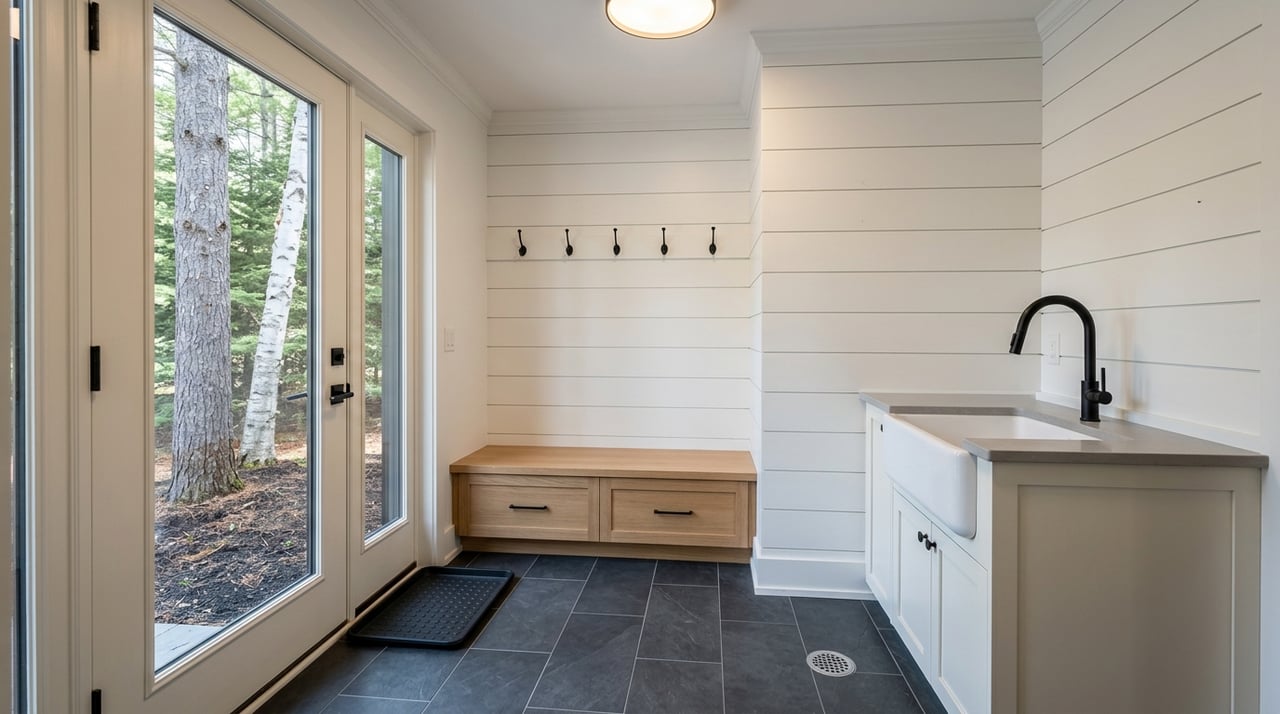
If you are dreaming about a cabin near Laporte, it is easy to focus on the fun part first: the lake view, the dock, and weekends up north. But in this part of Hubbard County, the smarter first step is understanding the property itself. Before you fall in love with a cabin, you need to know how shoreland rules, private systems, lake conditions, and winter upkeep can affect what you buy and how you use it. Let’s dive in.
Why Laporte cabin buying is different
Buying a cabin near Laporte is often less about square footage and more about the land, the shoreline, and the lake. A property may look simple at first glance, but small details can have a big impact on your plans.
Many cabins in this area sit on or near lakes with specific shoreland rules. That means things like setbacks, tree clearing, septic placement, and even future additions may be regulated by Hubbard County. If you are comparing properties, those differences matter just as much as price or bedroom count.
Start with the lake itself
Not all lakes near Laporte offer the same experience. A smart search starts with learning how each lake is classified, how developed the shoreline is, and what public access or water-quality issues may affect ownership.
Minnesota DNR LakeFinder is a helpful starting point because it compiles lake maps, public access details, fish information, water quality data, and survey records. Around Laporte, that can help you compare lakes before you compare cabins.
Lake classifications affect property use
Garfield Lake, listed as Laporte Garfield in the DNR shoreland classification table, is classified as a Recreational Development lake. Kabekona Lake and Portage Lake are also classified as Recreational Development lakes.
That matters because Hubbard County uses lake classification to guide shoreland standards. Recreational Development lakes are generally less restrictive than Natural Environment lakes, but they still come with rules that many inland residential buyers do not expect.
Nearby lakes can feel very different
Kabekona Lake is a useful example for buyers looking around Laporte. According to the DNR vegetation survey, it has public access on the west shore, mostly privately owned uplands, and a shoreline that is largely forested but also developed with residential homes. The survey also describes Kabekona as a clear, deep lake with a maximum depth of 133 feet.
Portage Lake offers a different picture. It is shallow, has fairly heavy shoreline development, appears on Minnesota’s impaired waters list for elevated nutrients, and sometimes experiences partial winterkills. Two cabins may be priced similarly, but the lake setting can lead to very different ownership experiences.
Public access and invasive species matter
Hubbard County’s public water access map includes Garfield Lake, Kabekona Lake, Portage Lake, Long Lake, and many other local waters. Public access can be a plus for convenience, but it also makes it worth asking more questions about lake traffic, access points, and invasive-species management.
That is especially true because the DNR confirmed starry stonewort near the public access on Garfield Lake in August 2025. Since this invasive species can spread through fragments on water-related equipment, buyers should treat dock handling, lift storage, and seasonal cleaning as part of their due diligence.
Know Hubbard County shoreland rules
Cabins near Laporte often fall under Hubbard County’s shoreland ordinance. The county says the ordinance applies within 1,000 feet of classified lakes and 500 feet of rivers and streams.
Permits are required for all structures, septic systems, vegetative alteration in the shore impact zone, and any shoreland alteration. So even projects that feel minor, like clearing a view or adjusting shoreline access, may need county review.
Setbacks can shape your future plans
Hubbard County sets shoreline structure setbacks by lake classification:
- 100 feet for Recreational Development lakes
- 75 feet for General Development lakes
- 150 feet for Natural Environment lakes
If you hope to add a deck, expand a cabin, or build another structure later, these setback rules can make a major difference. A lot that looks spacious may have less usable building area than you think.
Vegetation rules are part of lake ownership
Shoreline vegetation is regulated too. Hubbard County generally allows access paths up to 6 feet wide, no more than one access path per 200 feet of shoreline width, and only one shoreline recreation use area per residential lot.
The county also limits intensive clearing in shore and bluff impact zones. In addition, structures and facilities must remain at least 50 percent screened from public waters during summer leaf-on conditions. If your dream is a wide-open cleared shoreline, you will want to confirm what is allowed before you buy.
Older cabins may be nonconforming
Many northern Minnesota cabins were built before current shoreland rules were in place. That means a property can be legal but still classified as nonconforming under today’s ordinance.
Hubbard County defines a nonconforming structure as one that was legally built before shoreland controls but does not meet the current ordinance. This is common in lake markets, and it is one of the biggest reasons buyers need property-specific review.
What nonconforming status can mean
If a nonconforming structure sits in a shore or bluff impact zone, Hubbard County says no additions are allowed. Outside those zones, additions may be allowed by permit if they do not increase the nonconformity and if an onsite sewage treatment system can be installed in compliance with county rules.
In plain terms, an older cabin near the water may be charming, but future expansion could be limited. If remodeling or adding space matters to you, ask that question early, not after closing.
Wells and septic need close review
A cabin purchase near Laporte often includes private water and private wastewater systems. These systems deserve extra attention because they affect health, cost, financing, and future improvements.
What to know about septic systems
Hubbard County says septic site evaluations are performed by licensed septic professionals. System size depends on bedroom count, water-using appliances, and soil conditions.
The county also notes that the septic ordinance applies to both a dwelling and a seasonal dwelling, which is especially important for cabins. After a successful septic inspection, the county issues a certificate of compliance.
Holding tanks are allowed only in specific situations. Those conditions include a 75 percent alarm and a valid pumping contract. If a property has an older or unusual system, make sure you understand exactly what is in place and what records the seller can provide.
What to know about private wells
Minnesota law requires sellers to disclose the number and status of all wells and provide a sketch map. The Minnesota Department of Health also says the state does not require private well water testing at the time of transfer, although lenders often do.
MDH recommends annual testing for total coliform bacteria and nitrate. Before you make an offer, ask for the well disclosure and any recent lab results so you have a clearer picture of the property’s water system.
Plan for seasonal and winter realities
A cabin near Laporte is not just a summer purchase. Northern Minnesota weather can affect your budget, maintenance routine, and peace of mind.
The National Weather Service annual Park Rapids climate summary for 2025 reported a mean temperature of 41.4 F, a low of -31 F, and 8,900 heating degree days. That is a reminder that heating performance, winterization, and access are not side issues here.
Seasonal cabins need a shutdown plan
UMN Extension recommends draining and shutting off water pipes that are not used often in winter, especially pipes that lead outside. Frozen pipes can burst and cause major damage.
UMN Extension also advises homeowners not to use stoves or ovens for heat and to use portable space heaters carefully with proper safety features and clearance. If you plan to leave the cabin empty for stretches of winter, ask how the current owner handles shutdown and startup each season.
Heating fuel affects your budget
If the property uses propane or wood heat, build that into your planning. UMN Extension notes that Minnesota’s Cold Weather Rule protects electric and natural-gas residential service from October 1 through April 30, but it does not cover delivered fuels such as propane, fuel oil, or wood.
That means a cabin with propane or wood heat may need a more hands-on winter budget and backup strategy. This is worth discussing before you write an offer, especially if you plan on winter use.
Ask these questions before making an offer
The right questions can save you time, money, and frustration. For a cabin near Laporte, try to confirm both the property details and the ownership realities.
Your due diligence checklist
- What is the lake classification?
- Is the parcel within shoreland jurisdiction?
- Is the cabin conforming or nonconforming?
- Would future decks, additions, or shoreline changes be allowed?
- Is the lot on a public road or a recorded ingress-egress easement?
- Can the seller provide septic compliance records and any site evaluation documents?
- Can the seller provide the well disclosure and recent well test results?
- Are there any planned shoreline improvements, and do they fit county vegetation and access-path rules?
- What is the lake’s invasive-species history, especially near public access points?
- What are the winter shutdown steps for plumbing, water, and heat systems?
Hubbard County also says new lots cannot be landlocked and must either abut a public road or have a 33-foot ingress-egress easement. Access may sound basic, but it is a key item to verify during the offer period.
A local, property-by-property approach works best
The biggest mistake cabin buyers make is assuming every lake property works the same way. Near Laporte, each property can come with a different mix of lake conditions, shoreland rules, private-system needs, and seasonal demands.
That is why the best first step is not just calculating a monthly payment. It is reviewing the property carefully, asking the right questions, and making sure the cabin fits how you actually want to use it now and later.
If you want clear, local guidance as you compare cabin properties near Laporte, Mona Carter can help you look beyond the listing photos and focus on what really matters.
FAQs
What should you check first when buying a cabin near Laporte?
- Start with the lake classification, shoreland rules, septic records, well disclosure, and whether the cabin is conforming or nonconforming under Hubbard County rules.
What does a nonconforming cabin mean in Hubbard County?
- It usually means the structure was legally built before current shoreland rules but does not meet today’s standards, which can limit additions or changes.
Are septic inspections important for Laporte-area cabins?
- Yes. Septic compliance is a major part of cabin due diligence because system size, condition, and soil suitability can affect both use and future improvements.
Do you need water testing when buying a cabin near Laporte?
- Minnesota does not require private well water testing at transfer, but sellers must disclose wells, and asking for recent testing for bacteria and nitrate is a smart step.
Why do lake conditions matter when buying a cabin near Laporte?
- Different lakes can vary in depth, development, public access, water quality, and invasive-species history, all of which can affect your ownership experience.
What winter issues should buyers ask about for a northern Minnesota cabin?
- Ask how the cabin is winterized, how plumbing is protected, what heating fuel is used, and what the seasonal shutdown process looks like if the property sits empty in winter.