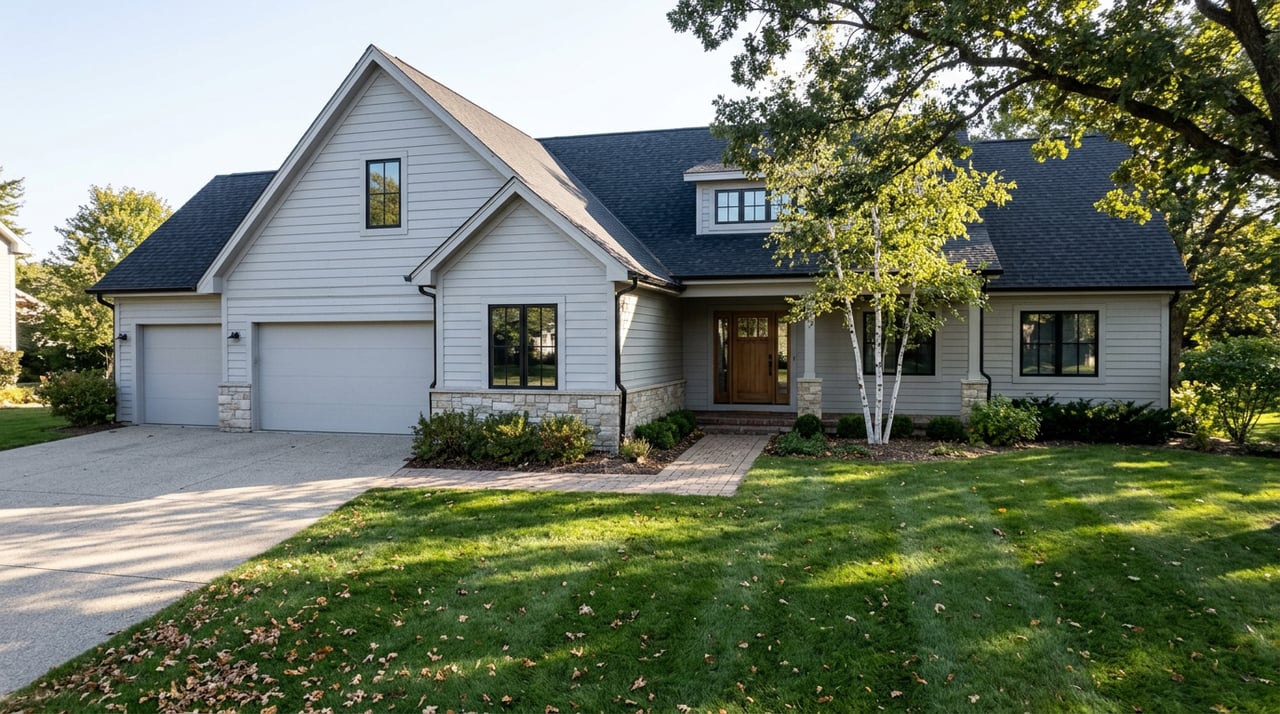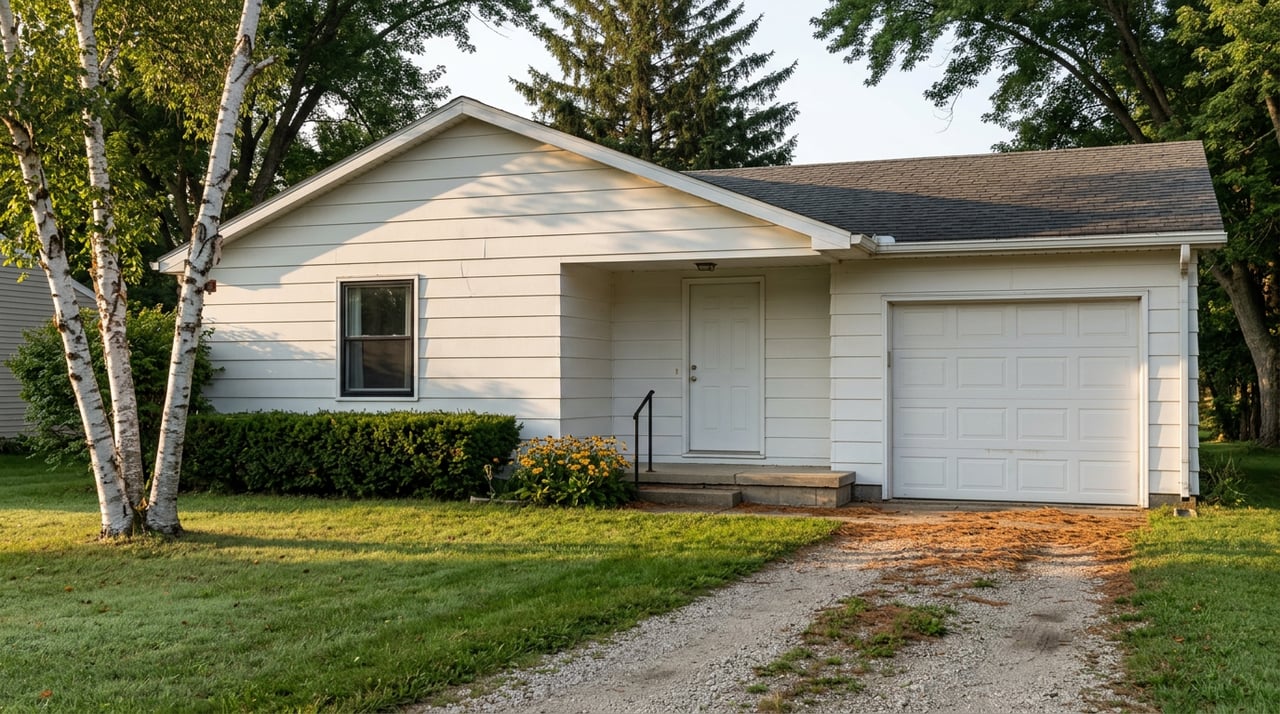
A buyer calls about a place on Blackduck Lake. The listing price looked reasonable next to what they'd seen on other northern Minnesota lakes, and they were ready to write an offer that afternoon. Then their agent mentioned the septic file. Not as a formality, but as the thing that would likely reshape the negotiation more than the dock, the shoreline, or the square footage combined.
That conversation happens on this lake more often than most buyers expect, and it points to something bigger than one transaction. Blackduck's real estate numbers don't behave like a normal market's numbers. One pricing tracker showed a median sold price around $81,000 in September 2025, down 50 percent from a year earlier. Four months later, in January 2026, another snapshot put the median list price near $332,000. That's not a housing crash and it's not a housing boom. It's a market too small to trust a single median, and understanding why matters more than the median itself if you're actually trying to buy or sell here.
The Same Town, Three Different Numbers
Pull up three different real estate data trackers for Blackduck and you'll get three different pictures of the town. One shows roughly 18 active listings averaging around $209,000. Another shows a median sold price that fell 50 percent year over year in September 2025, even as the price per square foot rose nearly 30 percent over that same twelve months. A third puts the median list price above $330,000 based on a January 2026 snapshot. Zillow's city-wide value index, current as of this writing, sits closer to $143,000.
None of these numbers is wrong. They're measuring different things: list price versus sold price, one month versus a rolling average, a handful of transactions versus a slightly larger pool. The problem is that in a town the size of Blackduck, those differences aren't noise you can average away. They're the whole signal.
Why the Numbers Swing So Hard
A median only tells you something useful when enough transactions feed it that outliers cancel each other out. In a city the size of Minneapolis, one $800,000 sale doesn't move the needle. In Blackduck, where MLS counts have hovered around 18 active listings town-wide, a single high-end sale or a single distressed one can swing the reported median by tens of thousands of dollars, or in the case of that year-over-year sold-price drop, by half.
Now narrow the lens to the lake itself, and the sample gets even smaller. Blackduck Lake spans 2,711 acres with a maximum depth of 28 feet, and it typically has around ten lake homes for sale at any given time, with very few vacant lots ever on the market. A count from late September 2025 found just three active waterfront listings, averaging $253,333, with the highest at $350,000 and the lowest at $200,000. Three data points is not a market average. It's three sellers who happened to list around the same time.
This is the piece a buyer needs before they anchor on any number they see online: the town's median describes a housing stock dominated by in-town homes, and the lake's handful of active listings describes something else entirely. Treating them as one market, or trusting either one as a stable benchmark, is how buyers end up either overpaying because "the median looked lower" or walking away from a fair lake price because they compared it to the wrong pool.
The File That Decides More Than the View
If price volatility is the first surprise, the septic file is usually the second, and it's the one that actually stalls closings.
Beltrami County requires a septic system compliance inspection any time a property changes hands, along with a couple of other triggers like a building permit application or a request to repair an existing system. This isn't a local quirk unique to Blackduck. Minnesota Realtors track which counties require point-of-sale septic inspections, and Beltrami is one of a long list statewide, alongside neighbors like Itasca and Crow Wing counties.
What makes it consequential here specifically is the housing stock. A lot of Blackduck Lake homes started as seasonal cabins built decades ago, and the area sits in a region with high water tables and a mix of clay-heavy and sandy glacial soils, conditions that put real stress on older systems, especially through the freeze and spring thaw cycle. A septic system that's been quietly fine for years can fail an inspection the moment someone actually opens the tank and checks it.
Under Beltrami County Ordinance 32 (710.3), here's roughly how that plays out once an inspection happens:
- A compliant system gets a certificate of compliance good for three years, or five years if the system was recently installed.
- A non-compliant system that isn't an immediate health risk gives the owner 12 months to upgrade, repair, replace, or abandon it.
- A system flagged as an imminent threat to public health must be pumped within 48 hours and run as a holding tank until it's fixed.
None of that happens instantly, and none of it is cheap to rush. A compliance inspection alone typically runs $400 to $700 statewide, and that's before any repair or replacement costs if the system fails. For a seller, the smart move is getting that inspection done before listing, not during a due diligence window when a failed system suddenly becomes a renegotiation. For a buyer, the smart move is asking for the certificate up front and checking its date. A certificate with a three-year validity period issued two years and eleven months ago may be close to expiring by the time a typical closing timeline plays out.
One Lake, Two Sets of Rules
There's a second detail that trips up buyers who assume a lake this size means unrestricted boating everywhere on the water. Blackduck Lake connects to river sections where Minnesota's Department of Natural Resources maintains a permanent slow-no-wake rule on the portions of the river north of the lake, with an exception for the stretch inside the Red Lake Reservation. That's a year-round restriction, not a seasonal or water-level trigger like some Minnesota lakes use.
For someone comparing recreational use across a few northern lakes, that's worth knowing before you assume every inch of connected water behaves the same way. It's a small detail, but it's exactly the kind of thing that shows up in a listing's fine print and nowhere else.
What This Means If You're Shopping the Lake
Put the pricing and the septic mechanics together and a practical picture emerges. If you're comparing Blackduck to nearby towns, decide first whether you're actually shopping the town's broader housing stock or its lake, because they're not the same market and the numbers you'll find online blend them without saying so.
Some buyers want in-town convenience: a short drive to Westridge Shopping Center, a meal at the Hungry Duck, easy access to the Blackduck Municipal Golf Course or the Lost Forty for a weekend hike. Others want the lake itself and are willing to treat the town as background. Both are reasonable goals, but they call for comparing against different comps, and neither is well served by a single town-wide median pulled from a listing site.
If you're selling a lake property, get ahead of the septic question before your first showing. A current compliance certificate in hand removes the single biggest variable a buyer's agent will raise, and in a market with only a handful of comparable sales, a clean file is one of the few things that actually differentiates your listing from the other two or three on the water.
If you're buying, ask for septic records early, confirm the certificate's issue date against its applicable validity period, and treat any town-wide median you find online as a starting point for a conversation, not a number to negotiate against.
A Few Questions Worth Asking
Does every county in Minnesota require a septic inspection at sale? No. It varies by county. Beltrami is one of many counties statewide that requires it, but the specific triggers and timelines differ from place to place, so a septic rule you learned about a different lake may not apply here.
What happens if the seller's certificate is beyond its validity period? A certificate is valid for three years, or five years if the system was recently installed. Once that period has passed, a new inspection will likely be required before or during the transaction. Building that into your offer timeline early avoids a scramble later.
Is the boating restriction the same everywhere on Blackduck Lake? No. The slow-no-wake rule applies specifically to the river portions north of the lake, with an exception inside the Red Lake Reservation. The main lake body itself doesn't carry that same year-round restriction.
If you're weighing a move to Blackduck Lake, or trying to make sense of numbers that don't seem to agree with each other, that's normal for a market this size, and it's exactly the kind of thing worth talking through before you make an offer. Mona Carter has spent more than two decades working lake transactions across Beltrami County and can help you read a listing the way someone who actually closes these deals reads one. Let's Connect.
This article is general information, not legal, tax or financial advice. Consult a qualified professional about your situation.